
Meta Muse Gets Active Memory: 2.4x Less Forgetting, Per Meta
In short
- Meta is rolling out new specialized models in Muse and Meta AI, built with Active Memory and Active Focus.
- Meta says the model forgets goal-critical details 2.4x less and finishes 67% more everyday tasks that hit surprise obstacles.
- No price was stated. All numbers are Meta’s own, from internal tests.
Meta wants its assistant to stop dropping the ball. The new models remember what matters and keep going when something breaks. Good promise. Let’s check the proof.
What happened
On November 6, Meta published a post about specialized versions of its models, trained with technology from Muse Wonder, which Meta introduced a few weeks ago as its most capable agentic models. They are rolling out to people who use Muse and Meta AI.
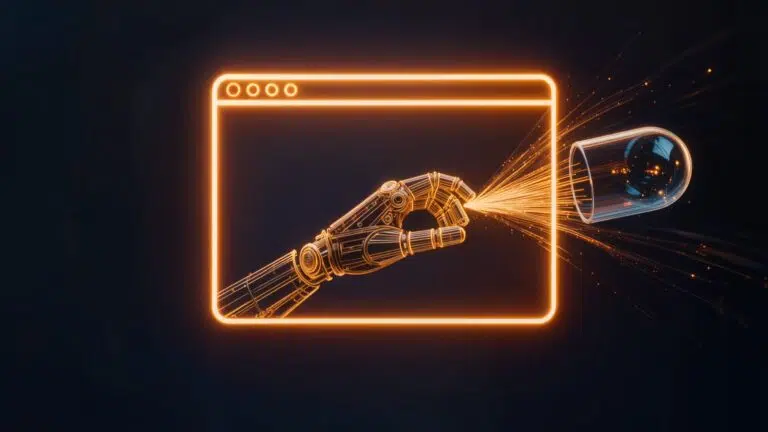
Two features carry the release. Active Memory helps the model keep important context from past chats and tell temporary facts from lasting ones. Active Focus helps it keep working toward a goal when something unexpected blocks the way: retry, recover or find another route.
The numbers, all from Meta: the Personal Superintelligence Index went from 38% to 47%. On the Active Memory test, correct use of critical context rose from 76% to 90% of tasks. That is 2.4x less forgetting. On everyday tasks with unexpected problems, completion improved by 67%.
What is missing? Regions, timing, which tiers get it, and a price. The post says none of that.
How to use it
- Long-running personal tasks. Trip planning, shopping research, content planning, where the assistant must remember what you said last week.
- Messy tasks. Anything that involves logins, forms or pages that change. This is where Active Focus is supposed to help.
- Test it before trusting it. Give it a task with a deliberate obstacle and see if it recovers or gives up.
Do the math: a virtual assistant at €8 an hour, 5 hours a week, is about €160 a month, €1,920 a year. That rate is my assumption. If an assistant model handles even half of that reliably, you save around €960 a year. Today you cannot price it, because Meta gave no price.
What it means
Everyone now sells memory and persistence. Perplexity has Teammates, Anthropic published its memory design the same week. Meta joins with a consumer angle: free-to-try assistant, huge distribution.
Here is where I push back. A 38% to 47% score on an index Meta designed itself tells you little. No independent benchmark, no named competitor comparison. Real value shows up when people use it for a month.
Ivan’s Take
Interesting direction, thin proof. Memory plus not giving up is exactly what an assistant needs to be useful. But I do not trust vendor-made indexes. I would try it on one real task, a trip or a research job, and judge it by the result, not by the percentage.
Source: Meta



If it doesn’t save you time or money, you won’t see it here
- Facts, not hypeEvery price and number is checked against the official source
- Always the real priceYou see what it costs before you click
- I say when it’s weakEven when it’s OpenAI or Google